

Healthcare needs change throughout life, often requiring specialized medical attention at different stages. Women may seek support for reproductive health, fertility concerns, pregnancy care, or menopause management, while children require continuous monitoring to support healthy growth and development. Access to coordinated healthcare services can make these transitions smoother and more manageable.
Families frequently benefit from healthcare systems that bring multiple specialties together under one roof. This approach improves continuity of care and allows medical teams to address interconnected health needs more effectively. For individuals searching for a trusted gyno specialist, comprehensive women and child healthcare services often provide the foundation for better long-term wellness outcomes.
Why Specialized Women’s Healthcare Supports Better Outcomes
Women’s health involves a broad spectrum of medical needs that extend far beyond pregnancy. Preventive care, reproductive health management, fertility support, hormonal balance, and menopause care all contribute to overall well-being throughout different stages of life.
Regular consultations allow healthcare professionals to identify potential concerns early while providing guidance tailored to individual circumstances. These interactions often help women make informed decisions regarding treatment options, lifestyle choices, and long-term health planning.
The Importance of Preventive Care and Routine Assessments
Preventive healthcare helps reduce the likelihood of serious medical complications by identifying concerns before they progress. Routine assessments provide opportunities to evaluate health status, discuss symptoms, and address risk factors that may influence future well-being.
Common preventive healthcare services may include:
● Annual wellness examinations
● Reproductive health evaluations
● Health risk assessments
● Prenatal consultations
● Nutritional guidance
● Vaccination recommendations
● Lifestyle counseling
Consistent monitoring allows healthcare providers to track changes over time and adjust recommendations when necessary. This proactive approach often contributes to stronger health outcomes and greater peace of mind.
Pregnancy Care Requires Comprehensive Medical Support
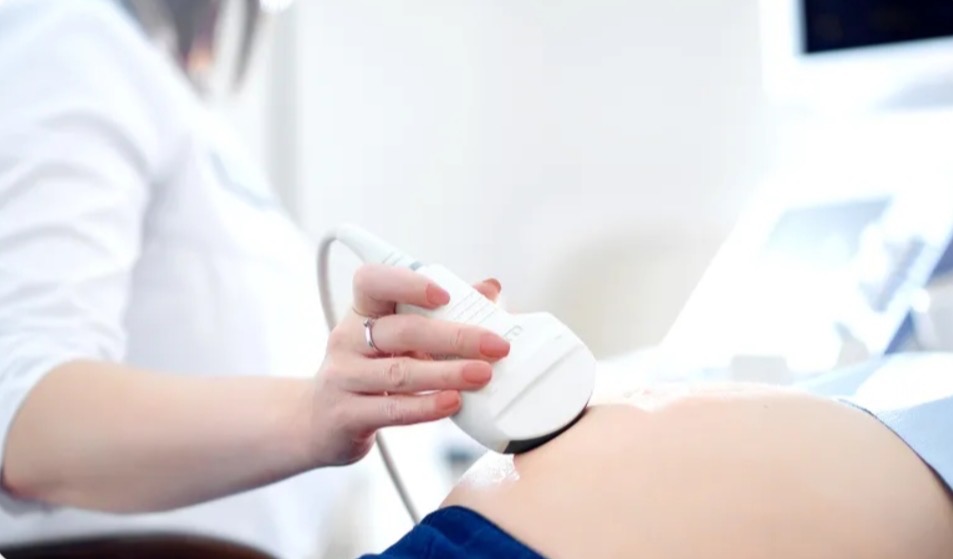
Pregnancy is a significant healthcare journey that involves continuous monitoring and individualized medical guidance. Prenatal care helps support maternal health while tracking fetal development throughout each stage of pregnancy.
Healthcare professionals play an important role in helping expectant mothers navigate physical changes, medical concerns, and important milestones. Regular evaluations provide valuable opportunities to identify potential complications early and support positive outcomes.
Early Pregnancy Evaluations
The first weeks of pregnancy often involve important assessments that establish a baseline for ongoing care. Early evaluations help healthcare providers understand maternal health needs while monitoring initial fetal development.
These appointments frequently provide reassurance and guidance during a period that can feel both exciting and uncertain for many families.
Prenatal Monitoring and Guidance
Routine prenatal visits help track fetal growth, maternal health indicators, and overall pregnancy progression. Continuous monitoring allows healthcare teams to address concerns promptly and provide individualized recommendations.
High-Risk Pregnancy Management
Some pregnancies require additional attention due to preexisting conditions, maternal age, multiple gestations, or other medical factors. Specialized care helps ensure closer monitoring and personalized treatment strategies.
Delivery Planning and Postpartum Recovery
Preparation for childbirth involves more than selecting a delivery plan. Healthcare providers help families understand available options while preparing for postpartum recovery and newborn care.
Fertility and Reproductive Health Services
Reproductive healthcare extends beyond pregnancy management. Many individuals seek medical support for fertility concerns, family planning decisions, and reproductive health conditions that affect quality of life.
Early evaluation often helps identify underlying factors that may influence reproductive health. Timely intervention can improve treatment opportunities while providing patients with a clearer understanding of available options.
Pediatric Care Supports Healthy Childhood Development
Children experience rapid physical, emotional, and cognitive development throughout infancy and early childhood. Pediatric care helps monitor these changes while supporting healthy growth through preventive and developmental healthcare services.
Routine pediatric evaluations often focus on developmental milestones, nutrition, vaccination schedules, and overall wellness. These assessments provide valuable insight into a child’s progress while helping identify potential concerns early.
Common areas of pediatric focus include:
● Growth monitoring
● Developmental assessments
● Immunization schedules
● Nutritional guidance
● Preventive healthcare
● Childhood illness management
● Wellness education
Regular pediatric visits also provide opportunities for parents to discuss concerns and receive professional guidance regarding their child’s development.
Strong pediatric support can contribute to healthier outcomes while helping families feel more confident in managing childhood healthcare needs.
Advanced Care for Newborns and Young Children
Newborns and young children occasionally require specialized medical attention beyond routine pediatric care. Advanced neonatal and pediatric services help address complex medical conditions while supporting recovery and development.
Specialized care environments are designed to provide close monitoring and individualized treatment for infants and children requiring additional support. These services often involve collaboration among multiple healthcare professionals.
Neonatal Intensive Care Support
Some newborns require specialized monitoring and treatment immediately after birth. Neonatal care services help address medical needs while supporting infant development during critical early stages. These services often play an important role in improving outcomes for vulnerable newborns.
Pediatric Intensive Care Services
Children experiencing serious medical conditions may benefit from advanced pediatric care environments equipped to manage complex healthcare needs. Comprehensive monitoring and multidisciplinary support contribute to effective treatment planning.
Developmental Monitoring Programs
Ongoing assessments help evaluate physical, cognitive, and behavioral development throughout childhood. Early identification of developmental concerns often improves intervention opportunities. These programs support long-term growth and learning outcomes.
Family Education and Guidance
Parents play a central role in supporting child health. Educational resources and professional guidance help families make informed decisions regarding healthcare, nutrition, and development. Strong communication often contributes to more effective care and better overall experiences.
Final Thoughts
What helps families navigate women’s health, pregnancy, childbirth, neonatal care, and pediatric wellness with greater confidence? The answer often lies in access to specialized healthcare services that support every stage of the journey under one coordinated system.
Families seeking comprehensive care benefit from expertise across obstetrics, gynecology, fertility services, fetal medicine, neonatology, pediatrics, intensive care support, and preventive healthcare programs. Ankura Hospital provides integrated women and child healthcare solutions designed to support patients from pregnancy through childhood and beyond. For parents searching for the best pediatrician while also seeking trusted maternal healthcare services, choosing a specialized healthcare institution can help create a stronger foundation for lifelong family wellness.