

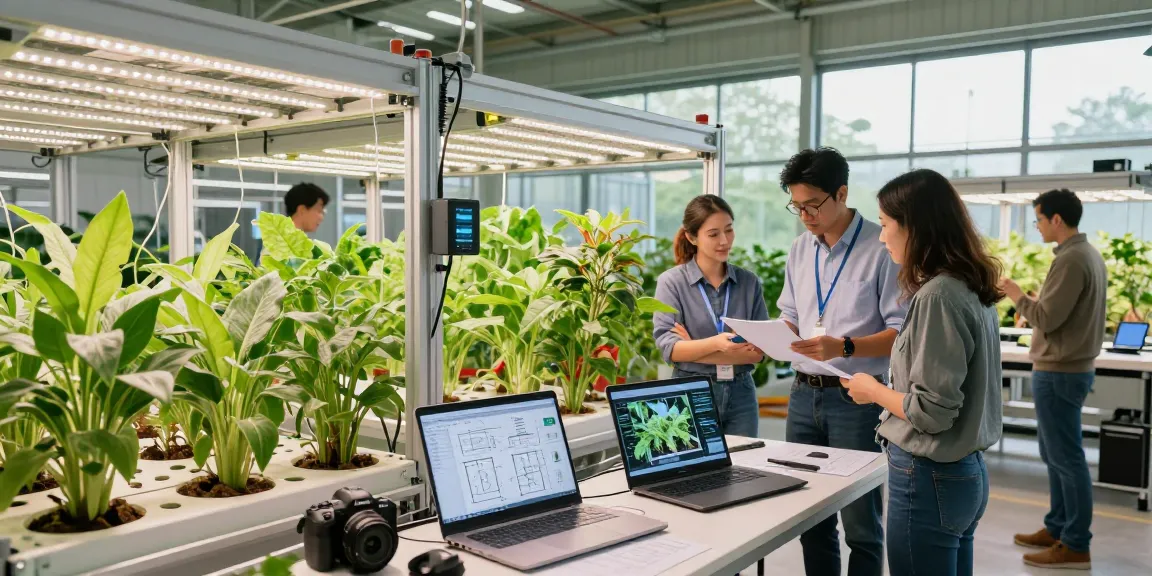
Understanding Indoor Agriculture with cika4d
Indoor agriculture represents a transformative shift in how we approach food production, using controlled environments to cultivate plants year-round. With innovations in technology, techniques, and sustainability practices, sectors ranging from urban farming to commercial horticulture are evolving rapidly. At the forefront of this evolution is cika4d, a provider of comprehensive design and construction solutions tailored specifically for the indoor agriculture industry. This article will explore the various aspects of indoor agriculture, focusing on the benefits of using cika4d for designing grow rooms and related facilities.
What is Indoor Agriculture?
Indoor agriculture refers to growing food in controlled indoor environments. This practice can include traditional greenhouses, vertical farms, and specialized grow rooms, all designed to maximize space, improve yield, and minimize environmental impact. Techniques such as hydroponics, aeroponics, and aquaponics are often employed to deliver nutrients directly to plants without the need for soil, allowing for efficient water usage and reduced pest-related challenges.
Benefits of Using cika4d for Design
CIKA4D has rapidly established itself as a leader in designing indoor agriculture facilities due to its innovative approach, which combines advanced technology with a deep understanding of agricultural needs. Some major benefits include:
- Customization: Each project is tailored to the client’s specifications, ensuring optimal conditions for plant growth.
- Efficiency: By implementing energy-efficient systems including LED lighting and HVAC technologies, cika4d reduces operational costs.
- Sustainability: Solutions are designed to minimize waste and support environmentally friendly practices.
Common Challenges in Indoor Growing
Despite its benefits, indoor agriculture also faces challenges, including initial setup costs, maintaining optimal growing conditions, and managing pests and diseases. As such, identifying and mitigating these potential issues becomes crucial for success. Utilizing cika4d’s expertise can help streamline these processes, enabling more efficient operations.
Key Features of cika4d Technology
Advanced Climate Control Systems
Cika4d’s technology integrates sophisticated climate control systems, allowing facilities to monitor and adjust environmental conditions such as temperature, humidity, and air circulation. This precision helps create an optimal growing environment, which is essential for maximizing yield and ensuring quality crops.
Efficient LED Lighting Solutions
Lighting is a critical component of indoor agriculture. Cika4d employs energy-efficient LED solutions that can be customized to meet the specific light spectrum needs of different plants. Effective lighting not only enhances growth rates but also enables year-round production, independent of seasonal changes.
Hydroponic and Aeroponic Techniques
Utilizing hydroponic and aeroponic systems enables growers to cultivate plants with minimal water and nutrients. These methods drastically minimize the agricultural footprint while maximizing growth potential, making cika4d an ideal partner for modern agricultural practices.
Case Studies of Successful Implementations
Urban Vertical Farms
One notable implementation of cika4d technology can be seen in urban vertical farms, where space is often limited. These farms leverage vertical stacking techniques and advanced lighting systems to produce significant yields within small footprints. Case studies show that urban farms using cika4d solutions have increased productivity by up to 50% compared to conventional farming methods.
Commercial Greenhouse Projects
Cika4d has successfully partnered with commercial greenhouse projects to enhance crop yields and reduce energy consumption. By integrating smart technology into greenhouse designs, these projects have achieved a more sustainable business model while producing high-quality vegetables and herbs.
Specialized Crop Production
CIKA4D’s expertise extends to the cultivation of specialized crops, such as medicinal plants and exotic fruits. Custom-designed environments ensure that these sensitive crops receive the specific care they need to thrive, thereby opening new markets and revenue streams for growers.
Best Practices for Indoor Agriculture Design
Planning and Layout Considerations
Effective design starts with thorough planning. Key considerations include maximizing space, ensuring adequate light distribution, and strategizing water delivery systems. Engaging with experts like cika4d can lead to optimized layouts that enhance productivity.
Energy Efficiency and Sustainability
Incorporating sustainable practices into indoor agriculture is essential for long-term success. Systems that recycle water, use renewable energy sources, and minimize waste will not only lower operating costs but also contribute to a healthier planet.
Maintaining Plant Health and Yield
Routine monitoring of plant health is vital in indoor agriculture. Using data analytics and sensor technology, growers can track growth patterns, detect diseases early, and adjust resources accordingly to maintain high yields.
Future Trends in Indoor Agriculture for 2026 and Beyond
Emerging Technologies in cika4d
As the indoor agriculture industry evolves, cika4d remains committed to integrating emerging technologies such as AI-driven analytics, automated growing systems, and IoT-enabled devices that facilitate continuous monitoring of environmental conditions.
Predictions for Industry Growth
Analysts predict that indoor agriculture will continue to expand, driven by urbanization, climate change, and the growing demand for localized food sources. Cika4d is well-positioned to lead this charge, offering innovative solutions that meet emerging market needs.
Integrating Smart Agriculture Solutions
Smart agriculture solutions, including precision farming techniques and automated systems, will become integral in optimizing operations. Cika4d is at the forefront of this integration, providing resources that enable growers to harness technology for improved outcomes.
How to Resolve Common Indoor Agriculture Issues?
Common issues in indoor agriculture, such as nutrient deficiencies and environmental imbalances, can often be traced back to design flaws or inadequate technology. Cika4d’s expertise ensures that these challenges are proactively addressed through robust facility planning and technology integration.
What Are the Key Benefits of cika4d for Farmers?
Farmers working with cika4d benefit from customized designs that optimize yield, decrease operational costs, and promote sustainable practices. These advantages create a competitive edge in the fast-evolving agricultural landscape.
How Does cika4d Support Sustainability Goals?
Sustainability is embedded in cika4d’s design philosophy, focusing on reducing resource usage and minimizing environmental impact. Solutions are tailored to comply with modern sustainability standards while promoting eco-friendly agriculture.
What Innovations Can Be Expected in Indoor Farming?
Future innovations include advancements in genetic engineering for crop resilience, further automation in farming processes, and enhanced nutrient delivery systems. Cika4d aims to incorporate these innovations into their projects, leading the charge toward the future of agriculture.
How to Get Started with cika4d?
Getting started with cika4d involves a consultation process to evaluate your specific needs and goals. Through this collaborative approach, cika4d ensures that every design project is aligned with the grower’s vision and operational requirements.
What Is the Cost Structure for cika4d Services?
While costs can vary depending on the complexity and scale of the project, cika4d provides transparent pricing structures to ensure that clients are informed throughout the process. By focusing on value, cika4d aims to deliver high-quality services that align with budgetary constraints.