
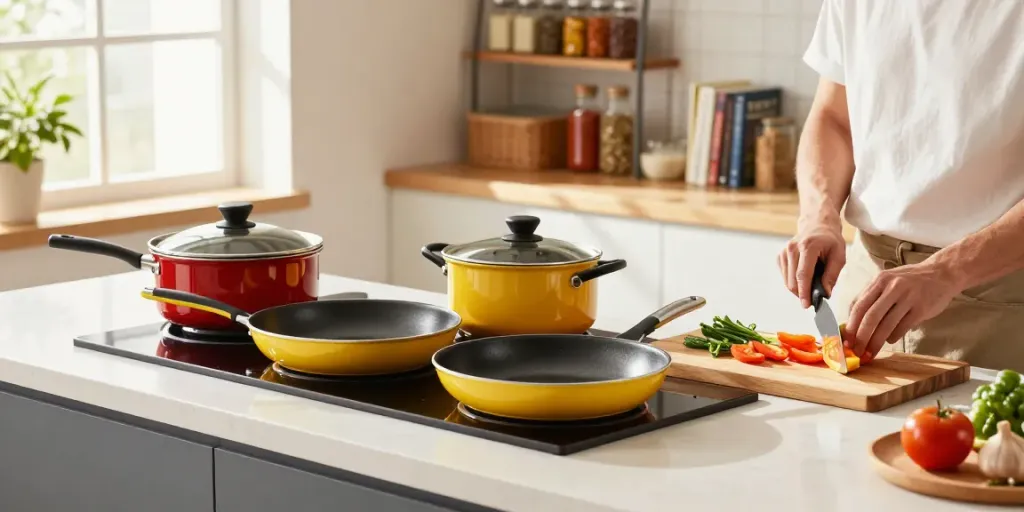
Understanding Non-Stick Cookware Price in Bangladesh
Cooking has evolved significantly with the rise of non-stick cookware, providing convenience and versatility in the kitchen. In Bangladesh, the Non-Stick Cookware price in bangladesh varies widely, influenced by several factors including brand reputation, material quality, and technological advancements in cookware design. As we approach 2026, it is crucial to understand the dynamics that affect these prices to make informed purchasing decisions.
What Factors Influence Non-Stick Cookware Prices?
Several elements play a pivotal role in determining the prices of non-stick cookware. Key factors include:
- Brand: Well-known brands often command higher prices due to their reputation for quality and durability.
- Material: Cookware made from premium materials like die-cast aluminum usually costs more than those made from pressed aluminum due to their enhanced cooking performance and longevity.
- Coating Type: The type of non-stick coating, such as Teflon or ceramic, significantly impacts pricing. Multi-layered coatings tend to be more expensive but offer better resistance to wear and tear.
- Size and Functionality: Larger pots and specialized items (e.g., induction-compatible pans) generally fetch higher prices.
Comparative Analysis of Top Brands
In Bangladesh, several prominent brands dominate the non-stick cookware market. Brands like Walton, Kiam, and Prestige are well-regarded, each offering unique features and varying price ranges. For example:
- Walton: Known for competitive pricing, Walton’s products often include a warranty, which adds value for consumers.
- Kiam: This brand specializes in high-quality non-stick cookware with marble-coated options that are popular among health-conscious cooks.
- Prestige: A premium brand, it offers robust performance and durability, appealing to those willing to invest in high-quality cookware.
How to Assess Quality and Value of Non-Stick Cookware
When evaluating non-stick cookware, consider the following aspects to gauge quality and value:
- Coating Quality: Look for cookware with a high-quality non-stick surface that guarantees easy cooking and cleanup.
- Material Composition: Assess whether the cookware is made of sturdy materials that can withstand high temperatures and resist warping.
- Warranty Information: A longer warranty period often reflects the manufacturer's confidence in their product’s durability.
- User Reviews: Checking customer feedback can provide insights into the performance and reliability of cookware over time.
Types of Non-Stick Cookware Available
Different Materials: Die Cast vs. Pressed Aluminum
Understanding the material differences is crucial when selecting non-stick cookware. Die cast cookware is thicker and provides better heat distribution, making it ideal for even cooking. In contrast, pressed aluminum is lightweight and more affordable, but may not heat as uniformly. Choosing between the two depends on your cooking style and budget.
Sizes and Their Practical Applications
Non-stick cookware comes in various sizes to suit different cooking needs:
- Small Fry Pans: Perfect for cooking eggs or pancakes.
- Medium Saucepans: Great for sauces and small batches of food.
- Large Stockpots: Ideal for soups and stews.
- Specialty Cookware: Items like woks or grill pans offer specific functionalities that may enhance cooking techniques.
Induction Compatibility: What You Need to Know
With the rise of induction cooking, it’s essential to ensure that your non-stick cookware is compatible with induction cooktops. Induction-compatible cookware typically has a magnetic base that allows it to work effectively on induction surfaces. Always check product specifications before purchase to avoid compatibility issues.
Warranty and Service Considerations
Understanding Warranty Terms for Non-Stick Cookware
Warranties can vary significantly between brands, impacting your purchase decision. Generally, a product with a good warranty indicates higher quality and durability. It’s important to read and understand the warranty terms, including what is covered and the duration of coverage.
Evaluating Customer Service from Different Brands
Strong customer service is critical when purchasing non-stick cookware. Brands with responsive customer service teams can enhance your buying experience and resolve any issues that may arise post-purchase. Researching customer reviews can reveal valuable information about a brand’s service reliability.
Common Warranty Issues and Resolutions
Consumers often face challenges such as scratched coatings or warped bases. Understanding typical warranty claims can prepare you for possible issues and help ensure a smoother resolution process. Check if the brand has a good track record of handling warranty claims effectively.
Health Considerations with Non-Stick Cookware
What Does PFOA-Free Mean?
PFOA (perfluorooctanoic acid) is a chemical previously used in the manufacturing of some non-stick coatings. Choosing PFOA-free cookware reduces potential health risks associated with this substance. Many brands now promote PFOA-free products as safer alternatives, a selling point for health-conscious buyers.
Are There Health Risks with Non-Stick Coatings?
While many non-stick cookware items are safe, concerns about certain coatings remain. It’s vital to adhere to cooking guidelines to avoid overheating non-stick surfaces, which can release harmful fumes. Always follow manufacturer instructions regarding temperature limits.
Tips for Safe Cooking Practices
To ensure safe cooking with non-stick cookware:
- Avoid High Heat: Use medium to low heat to extend the life of the non-stick coating.
- Use Appropriate Utensils: Opt for silicone or wooden utensils to prevent scratching the non-stick surface.
- Regular Maintenance: Clean cookware properly and avoid abrasive cleaners to preserve its non-stick properties.
Buying Tips for Non-Stick Cookware in Bangladesh
Where to Find the Best Deals and Discounts
Shopping for non-stick cookware can be economical if you know where to look. Online retailers often provide competitive prices, and seasonal sales can yield significant discounts. Additionally, local physical stores may offer promotions that are not available online. Always compare prices across various platforms before making a purchase.
Deciding Between Individual Pieces vs. Full Sets
When purchasing non-stick cookware, consider whether to buy individual pieces or a complete set. Individual pieces allow for tailored purchases based on cooking needs, while a full set often comes at a discounted price, providing a comprehensive solution for your cooking demands. Evaluate your cooking style and kitchen needs to determine the best approach.
Frequently Asked Questions Before Purchasing
Before purchasing non-stick cookware, you might have several questions, including:
- What brand offers the best quality? Brands like Walton and Kiam are frequently recommended for their reliability.
- How long does a non-stick coating last? The lifespan of a non-stick coating can vary, but with proper care, it can last several years.
- What is the average price range? In Bangladesh, prices range from affordable options starting around ৳2,000 to premium selections above ৳10,000.
What Should You Know About Maintenance and Care?
To extend the life of your non-stick cookware, adhere to these maintenance tips:
- Hand Wash: Whenever possible, wash your cookware by hand instead of using a dishwasher.
- Avoid Cooking Sprays: Some cooking sprays can leave residues that degrade the non-stick surface.
- Store Properly: Avoid stacking non-stick pans directly on top of each other without protective layers to prevent scratching.